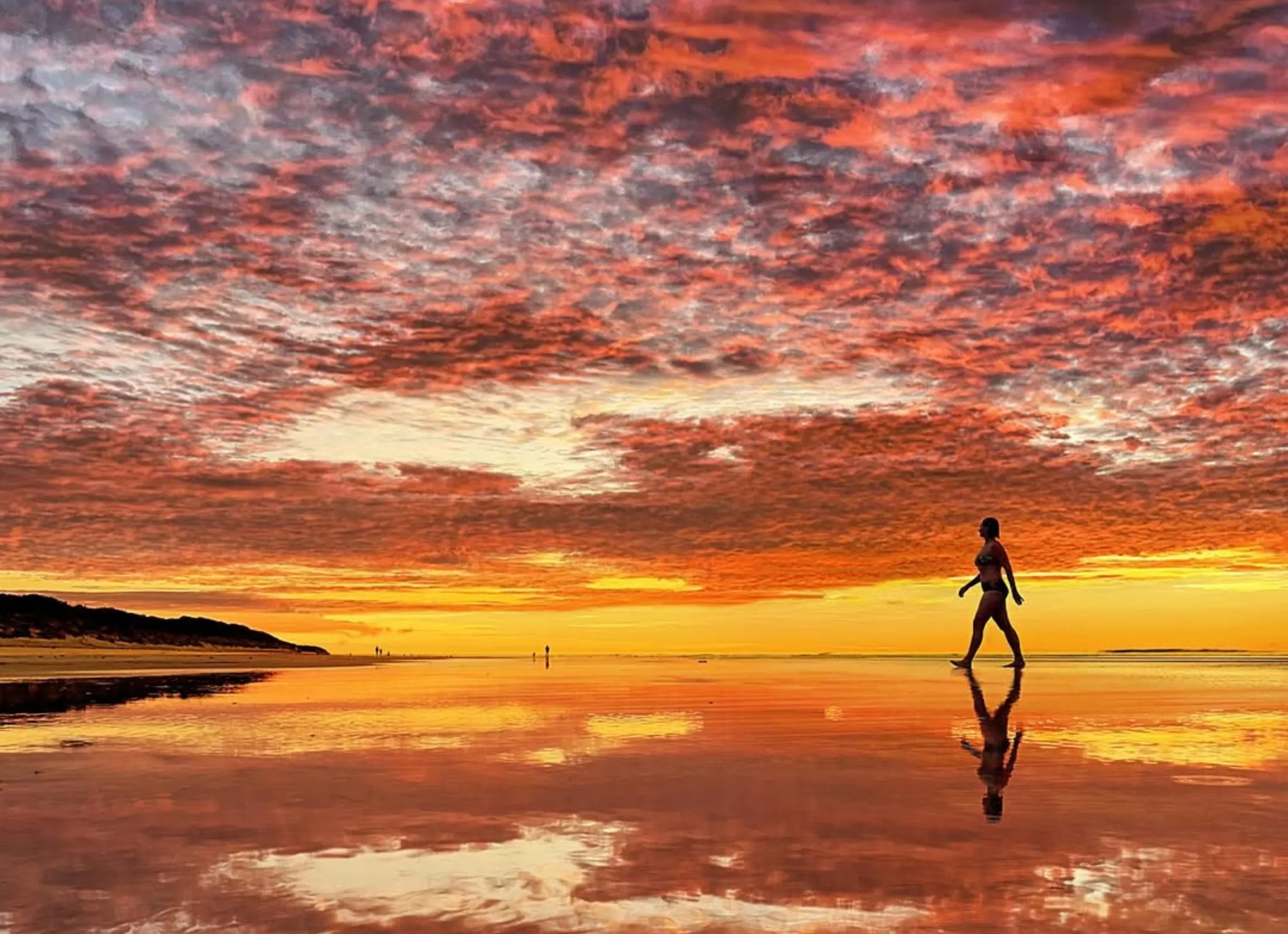
The Great Ocean Road, along the beautiful Australian coast, is famous for the views, coastline and beaches. Many visitors come to the coastal road for the beaches and scenery but the question is, can you swim along the Great Ocean Road?
Yes! The region has many swimming beaches with calm waters and a safe experience. But with limestone cliffs, sandstone cliffs and unpredictable ocean conditions, it’s important to know where to swim safely. In this guide we’ll show you the best swimming spots, safety tips and everything else you need to know before you take a dip along this amazing stretch of beach.
Best Swimming Spots
1. Lorne Beach
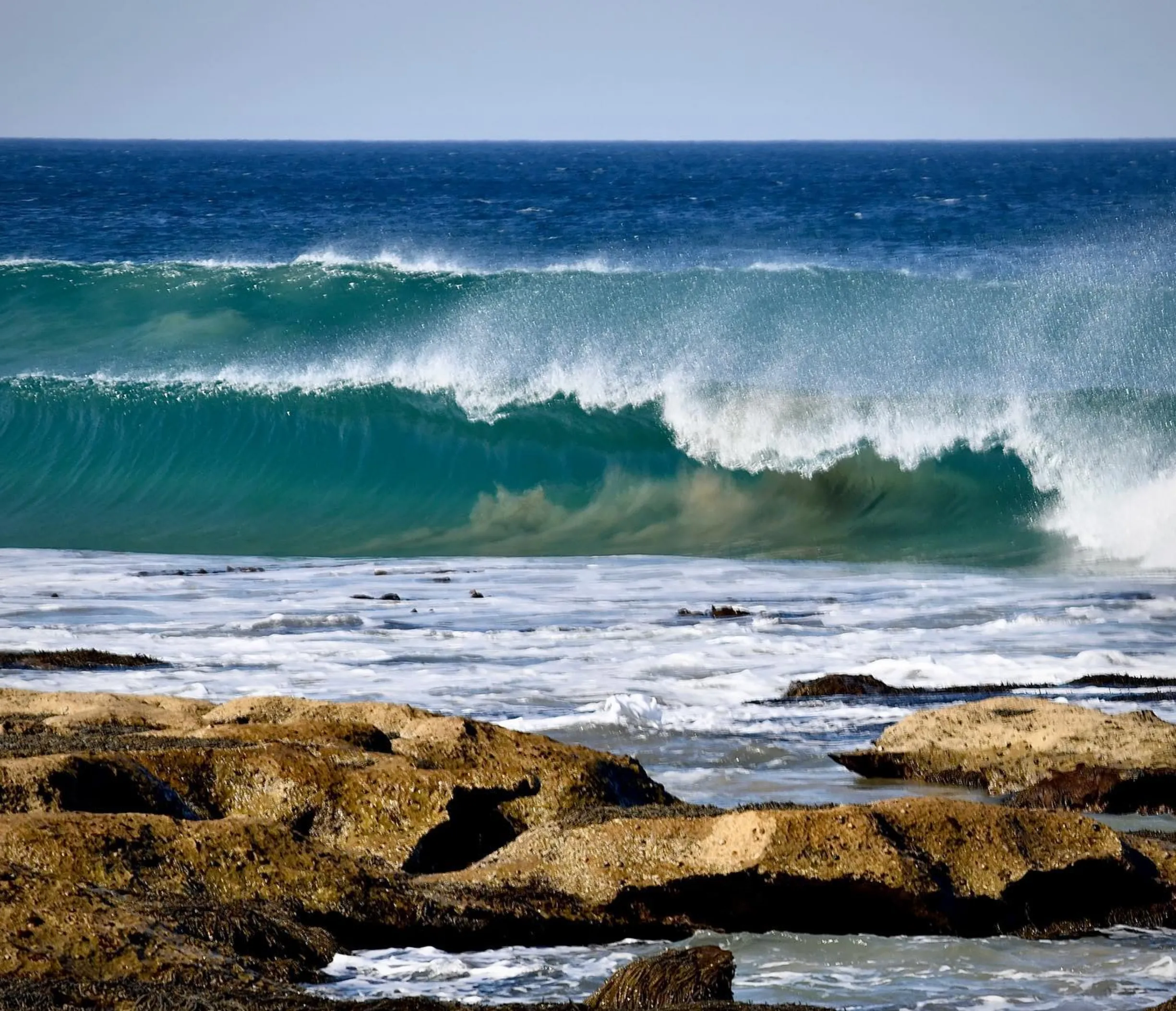
Lorne is one of the most popular beaches along the Great Ocean Road and has a great beach with calm waters, perfect for swimming. The beach is patrolled during peak season so it’s a safe spot for families and casual swimmers. It’s relaxed and has awesome views so it’s a favourite for many visitors. Nearby rock pools are also perfect for kids and nature lovers to explore marine life in its natural habitat. If you’re doing a Great Ocean Road trip from Melbourne, Lorne Beach is the perfect first stop to stretch out and take a dip.
2. Apollo Bay
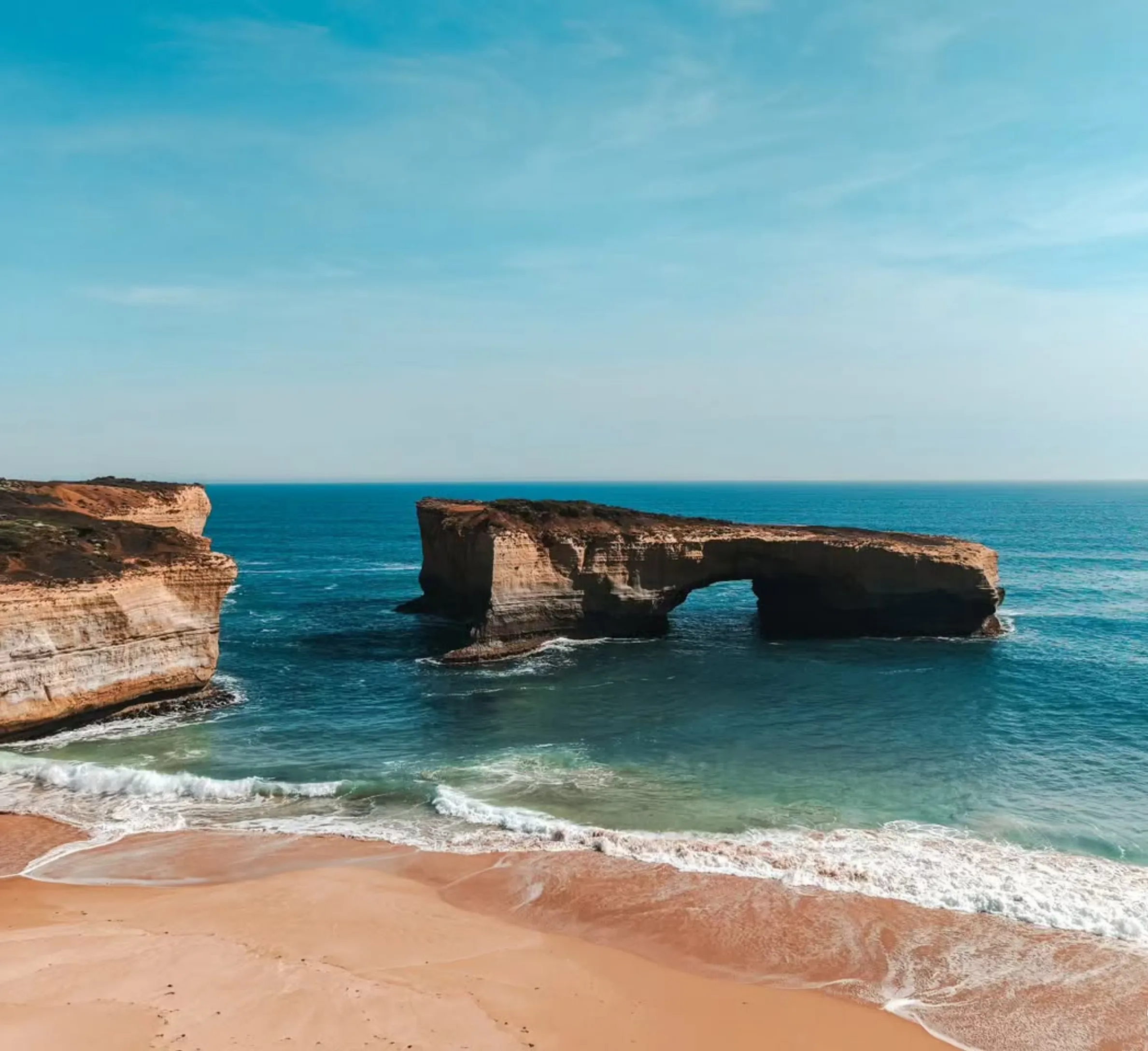
Apollo Bay has a big sheltered sandy beach with gentle waves, perfect for swimming and wading. Lifeguards patrol the main beach during summer so it’s one of the safest spots to enjoy the blue water and other water activities. It’s a popular day trip spot with good fishing spots, beautiful beaches and beach access to some of the most stunning beaches in the region. Many 2 day Great Ocean Road tours include Apollo Bay as a must-see stop due to the beach and chill vibes.
3. Torquay Beaches
Torquay, the start of the Great Ocean Road, has multiple famous surf beaches for different activities. Some like Bells Beach are better suited for experienced surfers due to bigger swells, while nearby Front Beach and Cosy Corner have calm waters and are perfect for swimming. This area is also home to famous breaks so it’s a great spot for beginner surfers looking for a beach to learn to surf. A Great Ocean Road trip wouldn’t be complete without stopping at Torquay to experience the surf culture.
4. Anglesea Beach
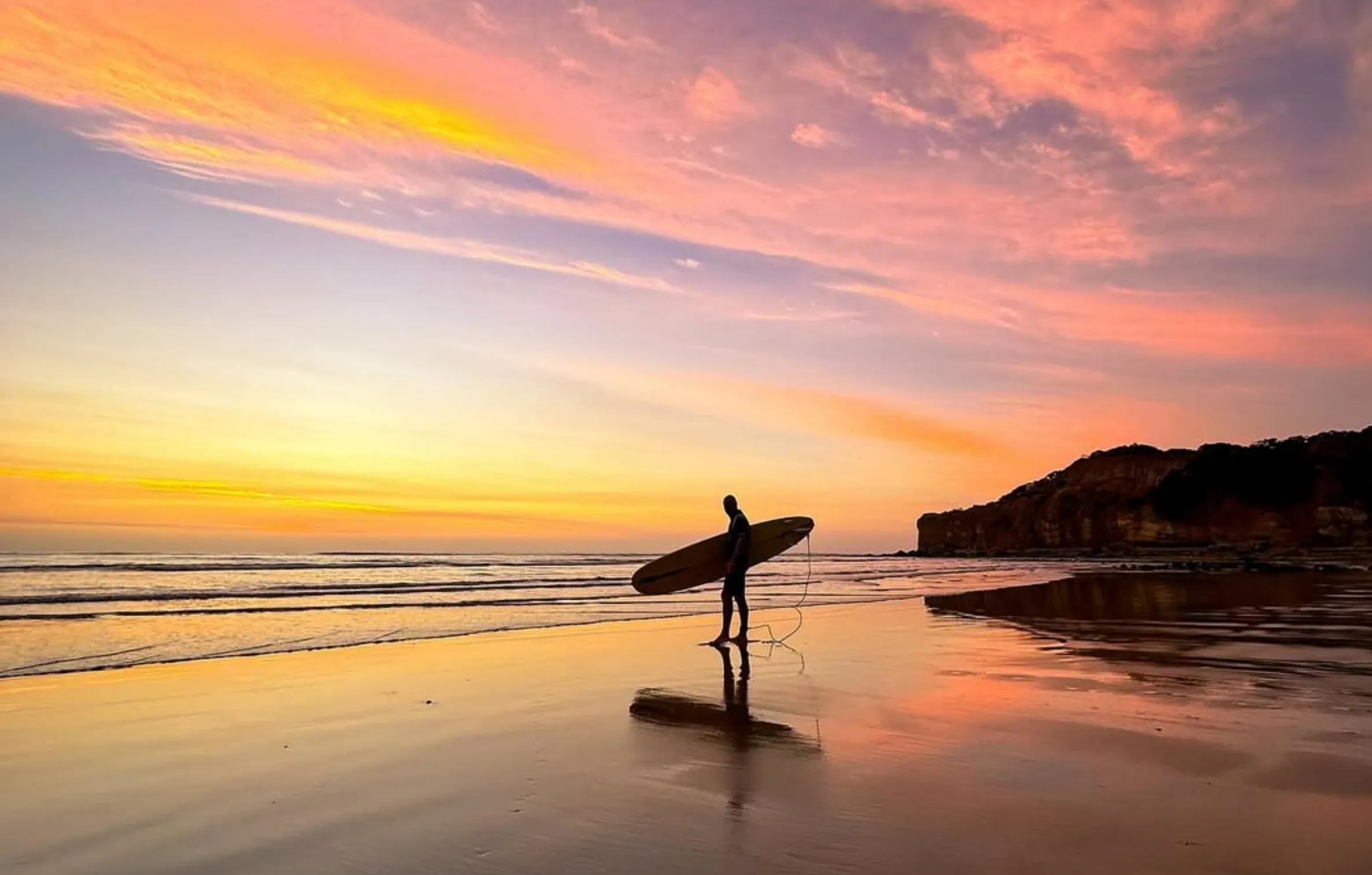
Anglesea Beach is a family-friendly spot with nice beaches and smaller waves. Lifeguards patrol the beach during summer holidays and the nearby river crossing is an option if you prefer a calmer swim. The surrounding national parks are a good break if you’ve been hiking for days through eucalyptus forests.
5. Port Campbell Beach
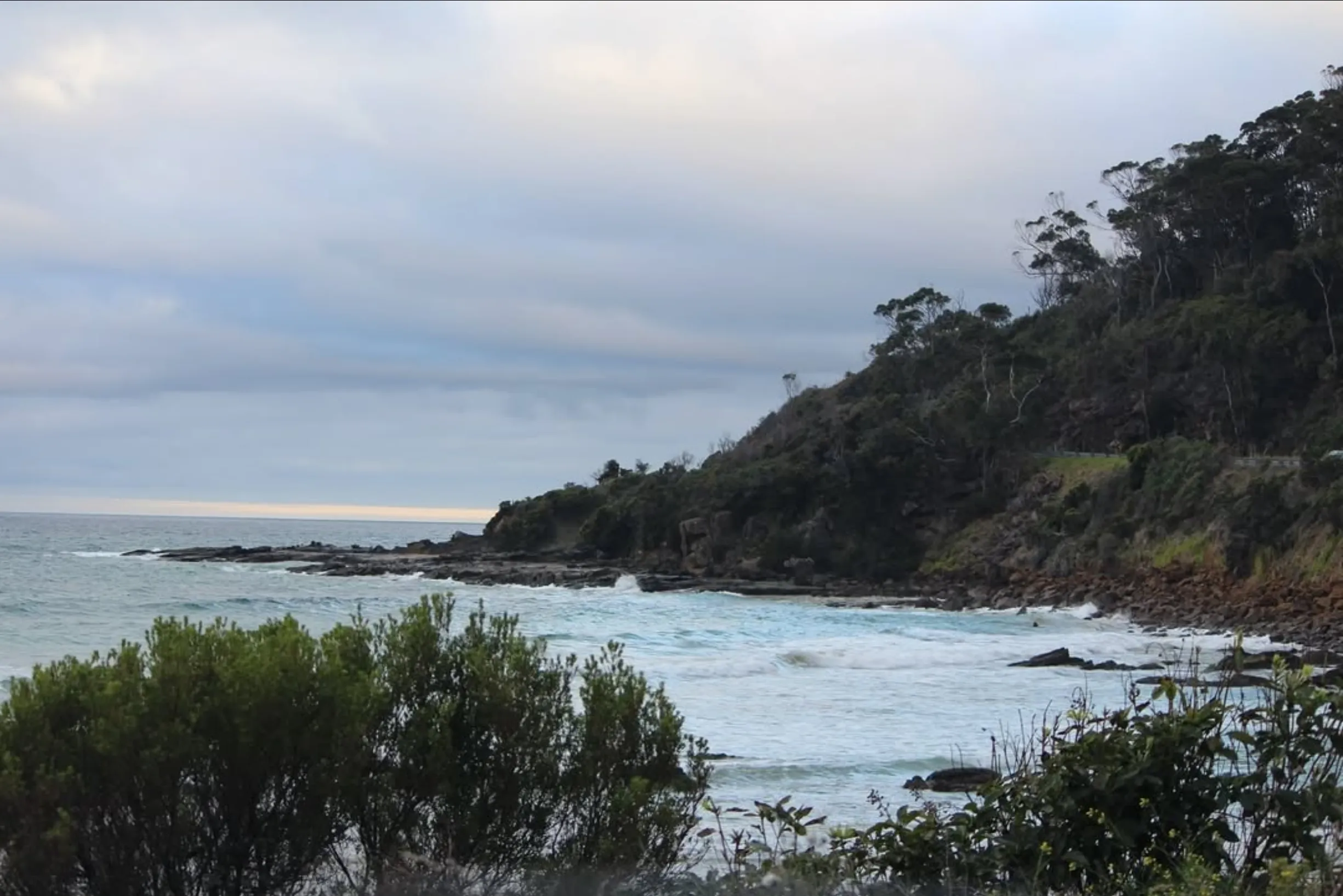
Near the Twelve Apostles breaks, Port Campbell Beach is a small but beautiful beach with calmer waters than other open beaches along the coast. Perfect for a quick swim after a day of exploring national parks and coastal views. Port Campbell National Park is nearby, home to the Twelve Apostles, with stunning coastal scenery and views. Be careful of cliff instability as the nearby sandstone and limestone cliffs can erode.
6. Johanna Beach
Johanna Beach is another gorgeous beach along the Great Ocean Road, with amazing views and popular with beachgoers. While it is better for experienced surfers with bigger swells, the views are still breathtaking and chill. This stretch of beach is also home to fur seals. Many Twelve Apostles tours pass through Johanna Beach if you want to see beyond the major tourist spots.
7. Wye River Beach
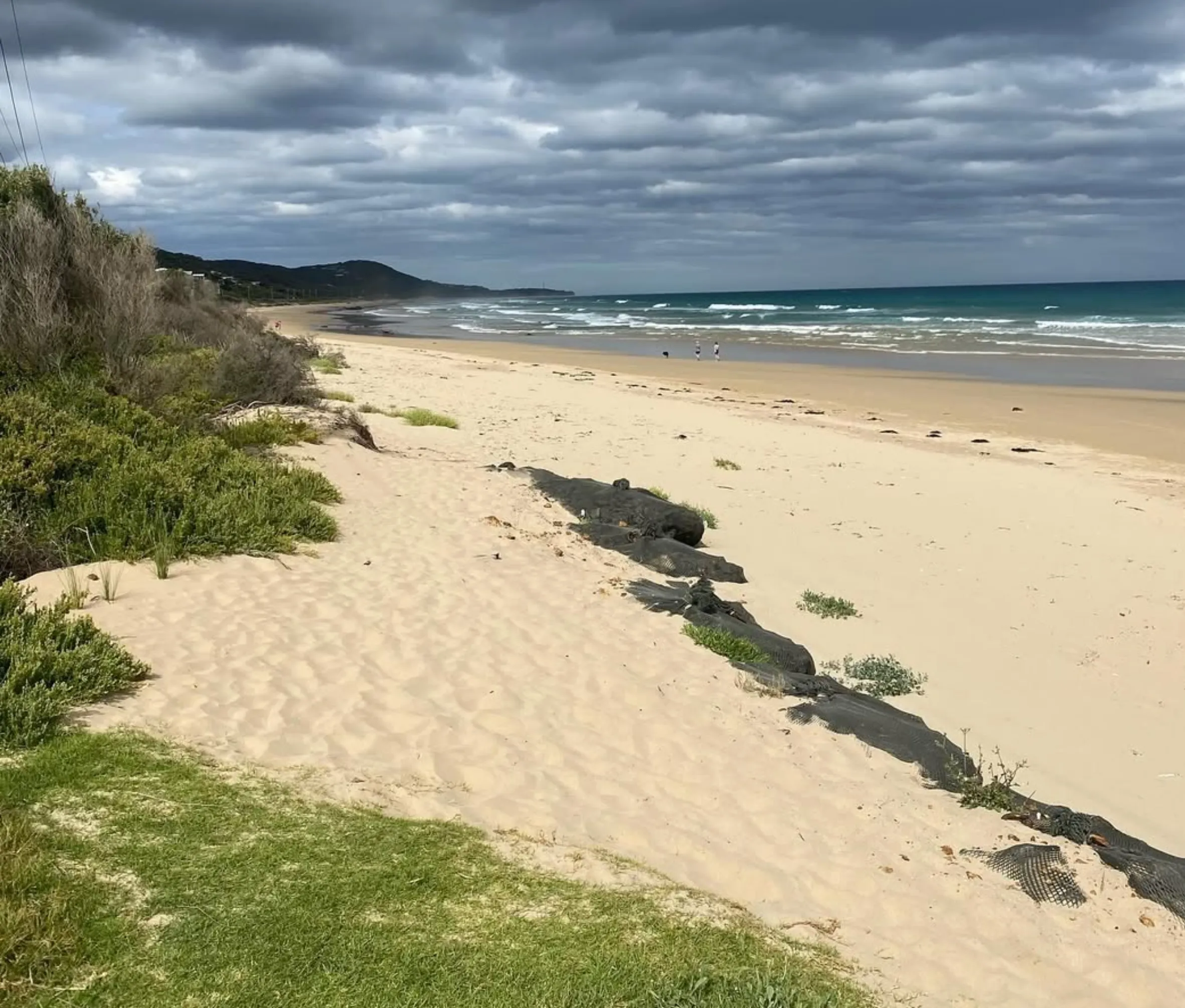
Wye River Beach is a lesser-known but incredible beach with calmer waters for those who want to swim. Public car parks and easy beach access are perfect for a picnic or lunch stop on your road trip along the coastal road.
Safety Tips
- Swim Between the Flags: Only swim at patrolled beaches where red and yellow flags indicate safe swimming zones.
- Check the Conditions: Ocean currents, tides and swells can be unpredictable. Always check the weather and surf conditions before swimming.
- Beware of Rip Currents: Some beaches along the Great Ocean Road have strong rip currents. If caught in one stay calm and swim parallel to the shore until you get out of the current.
- Don’t Swim Alone: Always swim with a friend or fellow hiker in areas where lifeguards are present.
- Be Mindful of Marine Animals: While rare, jellyfish and fur seals can sometimes be present. Check local advisories before swimming.
- Watch for Cliff Instability: Some coastal areas experience cliff instability, so don’t get too close to the edge.
- Be Careful of Slippery Rocks: Many rock pools along the coast can be slippery, especially after rain or flood water.*
Cold Weather: Even in summer, water temps can be cold. Wear a wetsuit to enjoy.
- Day Visitor Car Parks: Many beaches have day-visitor car parks and public car parks. Park in designated areas to ensure beach access.
Conclusion
Swimming along the Great Ocean Road is awesome if done safely. With its beaches, chill vibes and stunning coastline there are heaps of places to swim. Just remember to choose patrolled beaches, be aware of the ocean and follow the rules for an epic and enjoyable time. Whether you’re after a great fishing spot, a beach for surf lessons or just a spot to stop for lunch on a multi-day hike through eucalyptus forests the Great Ocean Road has it all!
FAQ
Is it safe to swim along the Great Ocean Road?
Yes but only in designated swimming areas. Stick to patrolled beaches with lifeguards and avoid rough or unpatrolled sections of the coastline.
Are there sharks along the Great Ocean Road?
Shark encounters are super rare. Most swimming beaches have safety measures in place and lifeguards monitor conditions closely.
Which beach is best for families?
Lorne Beach and Apollo Bay are great for families as they have safe swimming areas, calm waters and patrolled beaches.
Can you swim at the Twelve Apostles?
No, swimming is not recommended at the Twelve Apostles as the water is rough and the beach access is limited with no patrolled areas.
Are there any freshwater swimming spots nearby?
Yes! The Great Ocean Road has freshwater spots like Lake Elizabeth and the Cumberland River where you can swim in natural settings.