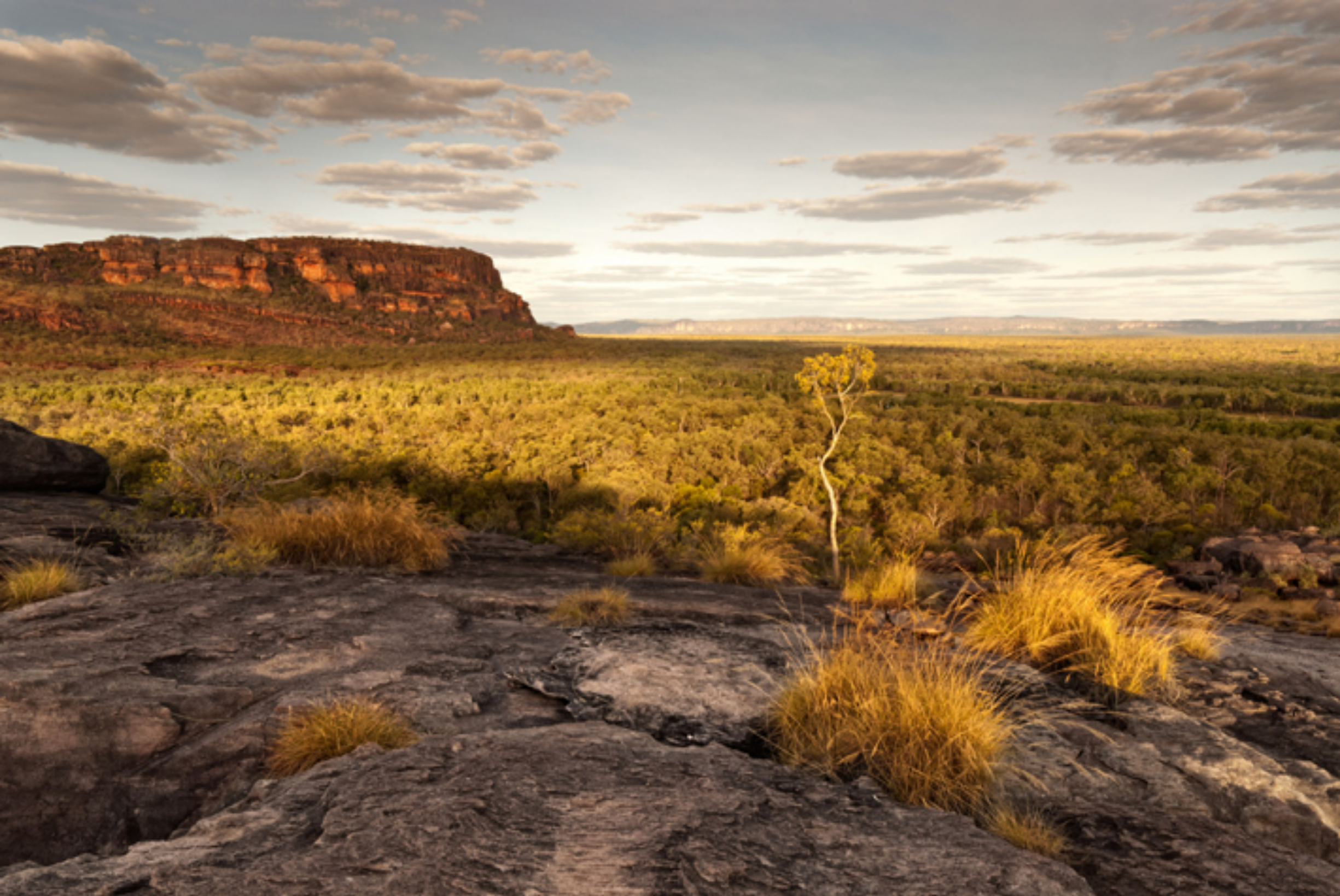
Kakadu National Park is 19,810 square kilometres of natural beauty, biodiversity and cultural significance. Home to the traditional owners, the Bininj/Mungguy people, this old landscape in the Northern Territory is more than a tourist destination – it’s a living cultural tapestry woven with Aboriginal language, Aboriginal life and connection to land.
As visitors explore Jim Jim Falls, Gunlom Falls, Yellow Water Billabong, and Nourlangie Rock, they ask: What languages are spoken in Kakadu?
In this article, we’ll look at the traditional Aboriginal languages of Kakadu, how they are used today and why they are so important to the cultural and tourism experience of this unique place.
Contents
Traditional Languages of Kakadu
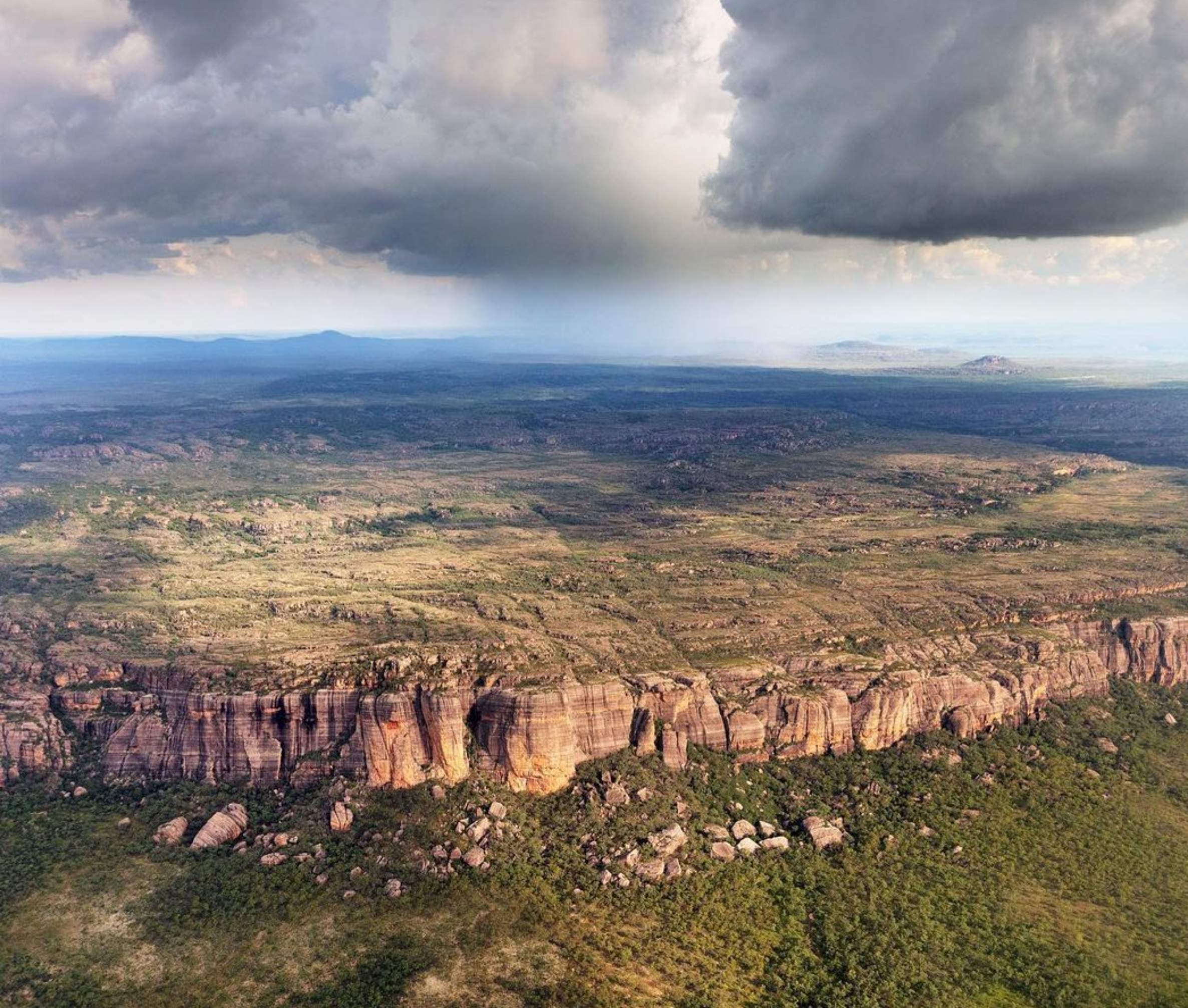
Before European settlement and before the word “Australia” was invented, Kakadu’s Indigenous people lived in harmony with the land, water and wildlife. Language was (and is) a big part of who they are. The Aboriginal majority in Kakadu speak several languages that reflect their cultural values, ancestral stories and sacred cultural sites.
Whether you’re planning a full Kakadu Tour or a Kakadu day tour from Darwin, understanding the linguistic and cultural heritage of the park will add so much to your trip.
Main Traditional Languages
1. Gun-djeihmi
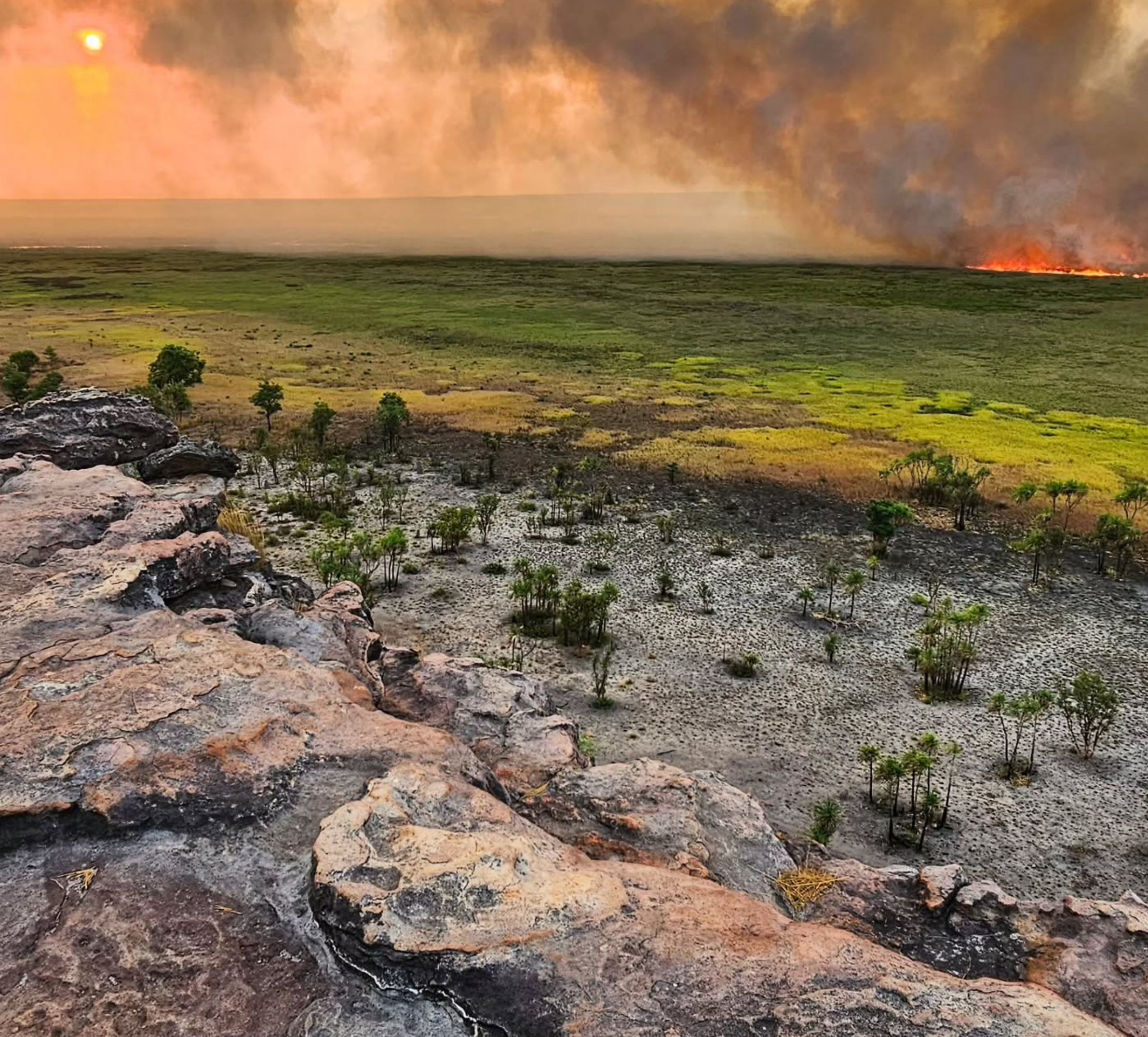
Mainly spoken around Jabiru, Gun-djeihmi is a dialect of the Bininj Kunwok language group. You might hear Gun-djeihmi at cultural centres like the Bowali Visitor Centre or during tours with Aboriginal people sharing elder stories and ancient rock art sites. This language is strong in central Kakadu and important for cultural values and interpretive signage in the park.
If you’re taking a Kakadu day tour, especially around Jabiru or Yellow Water, you’ll often hear local guides explain the meaning of Aboriginal place names in Gun-djeihmi.
2. Kunwinjku
Kunwinjku is spoken in western Kakadu and parts of Arnhem Land. It’s used in storytelling and spiritual traditions. Whether you’re crossing Cahills Crossing or hiking near Motor Car Falls, the place names and local guides will reflect the strength of this dialect.
3. Jawoyn
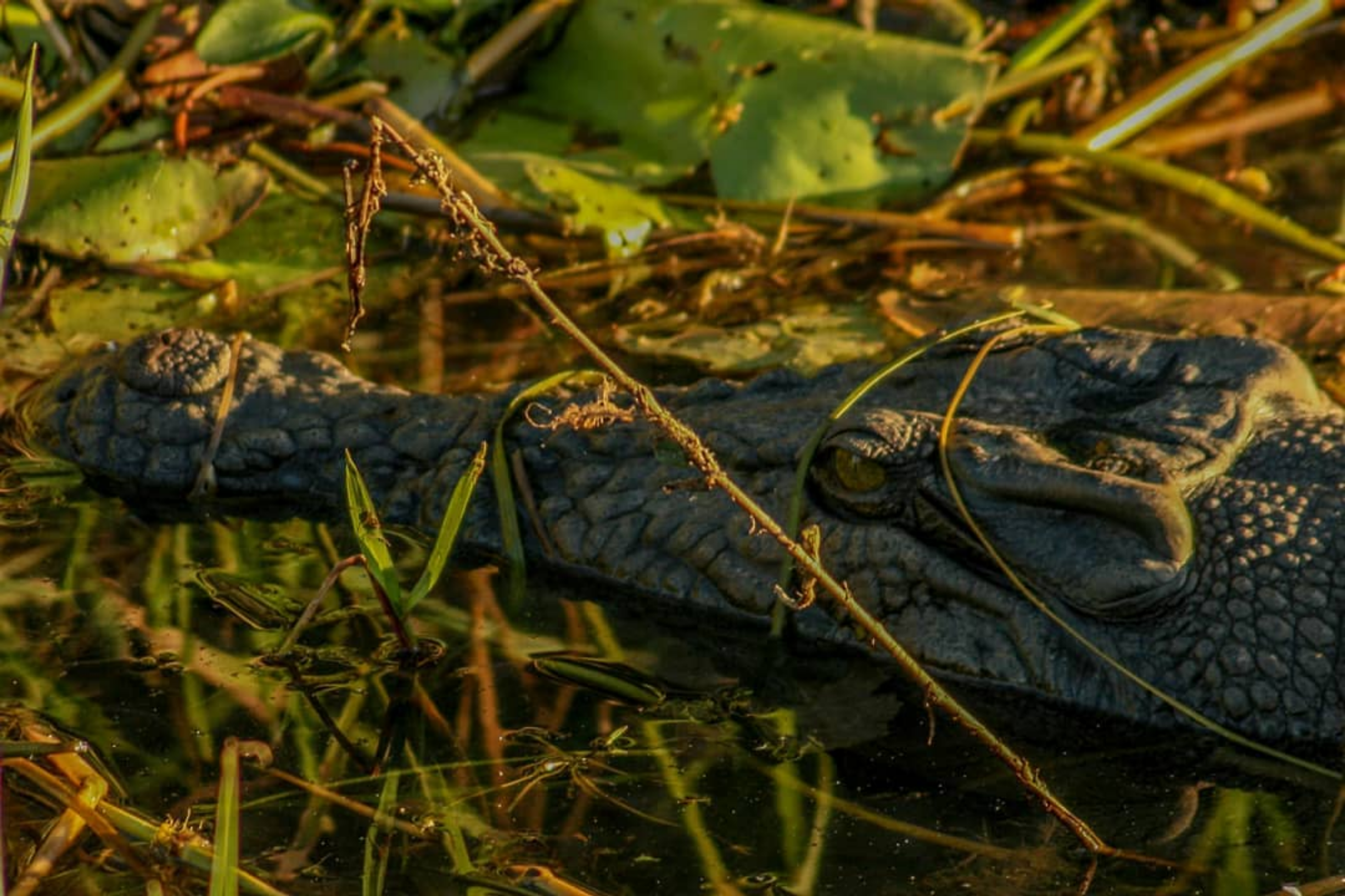
Spoken in the southern part of Kakadu and out to Pine Creek and the Katherine area, Jawoyn ties into locations like Barramundi Gorge (Maguk Gorge). This language is connected to cultural landscape features, archaeological sites, and sacred sites, preserving knowledge through Aboriginal rock painting and oral history.
4. Gagudju (Kakadu)
The name “Kakadu” itself comes from Gagudju, although this language is now endangered. While not spoken today, its legacy lives on in the naming of the park and various Aboriginal art sites. Efforts by park rangers, Centre staff, and linguists are working to preserve what remains of this language.
Modern Languages in Kakadu
English is the main language used for travel, Holiday Parks, campsites and tourism services. You’ll see it on main access roads, access roads to Twin Falls, and major attractions like Mary River and Maguk Falls. Many people book Darwin day tours to see the park’s stunning scenery and learn about its history.
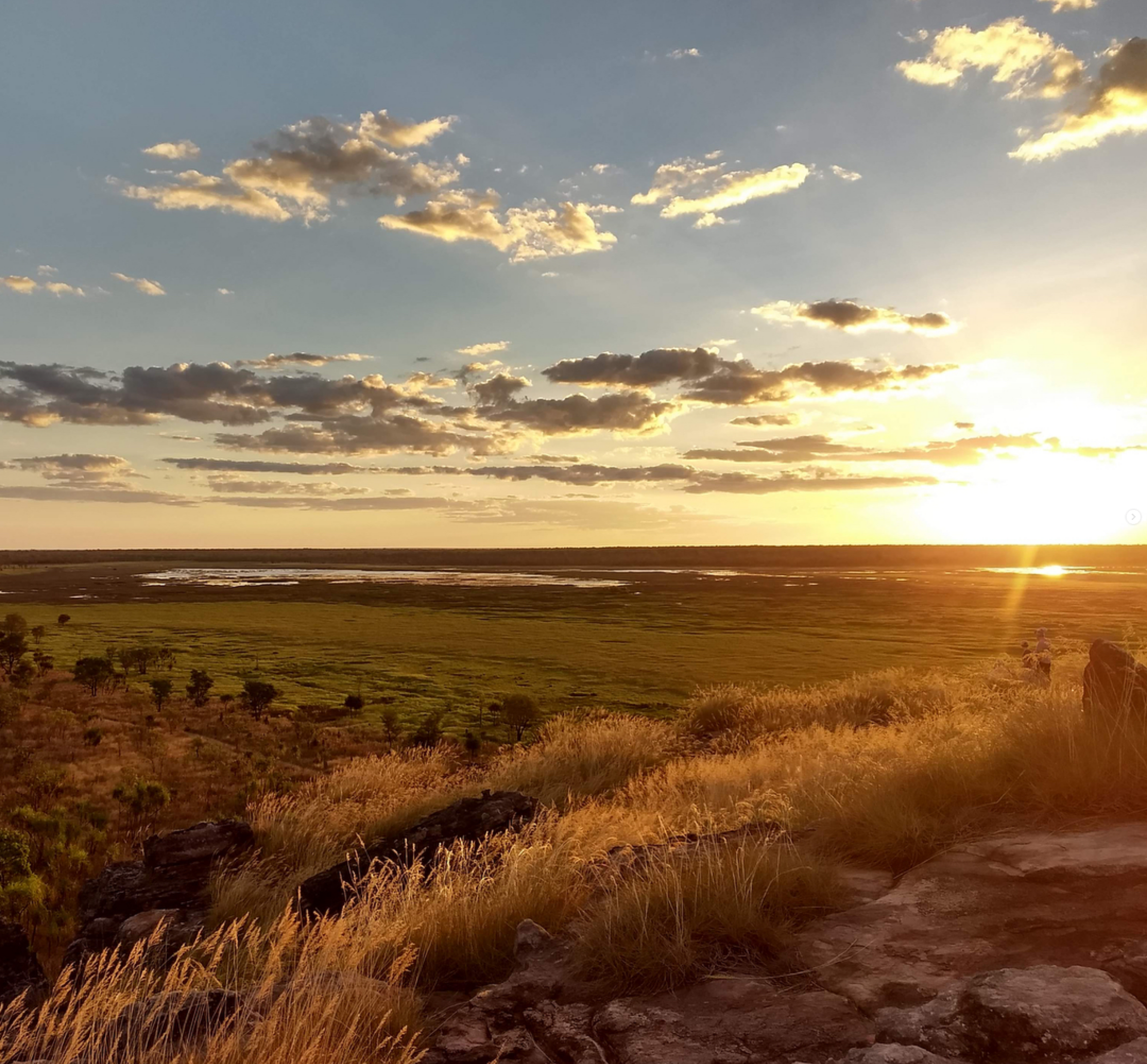
On these day trips Darwin to Kakadu, guides will often use local words and share language facts to enhance the visitor experience.
Language and Culture
Preserving Aboriginal language is important for the protection of natural values, cultural sites and contact sites with European contact history. Language holds amazing stories about the ecosystem to life, feral animals, exotic wildlife, marine life and how to look after them.
The federal government, local elders and community organisations work together to preserve language with intact landscapes and cultural treasures like Nourlangie Rock and Warradjan Cultural Centre. The impacts of invasive species, Asian water buffalo and tidal flats are often recorded using traditional knowledge passed down through language.
Why Language Matters in Kakadu Tourism
Your trip to Kakadu gets richer when you understand the cultural landscape. Knowing the names of places in Aboriginal language, like Jim Jim Creek or Gunlom Falls, connects you to sacred sites and the water that feeds them.
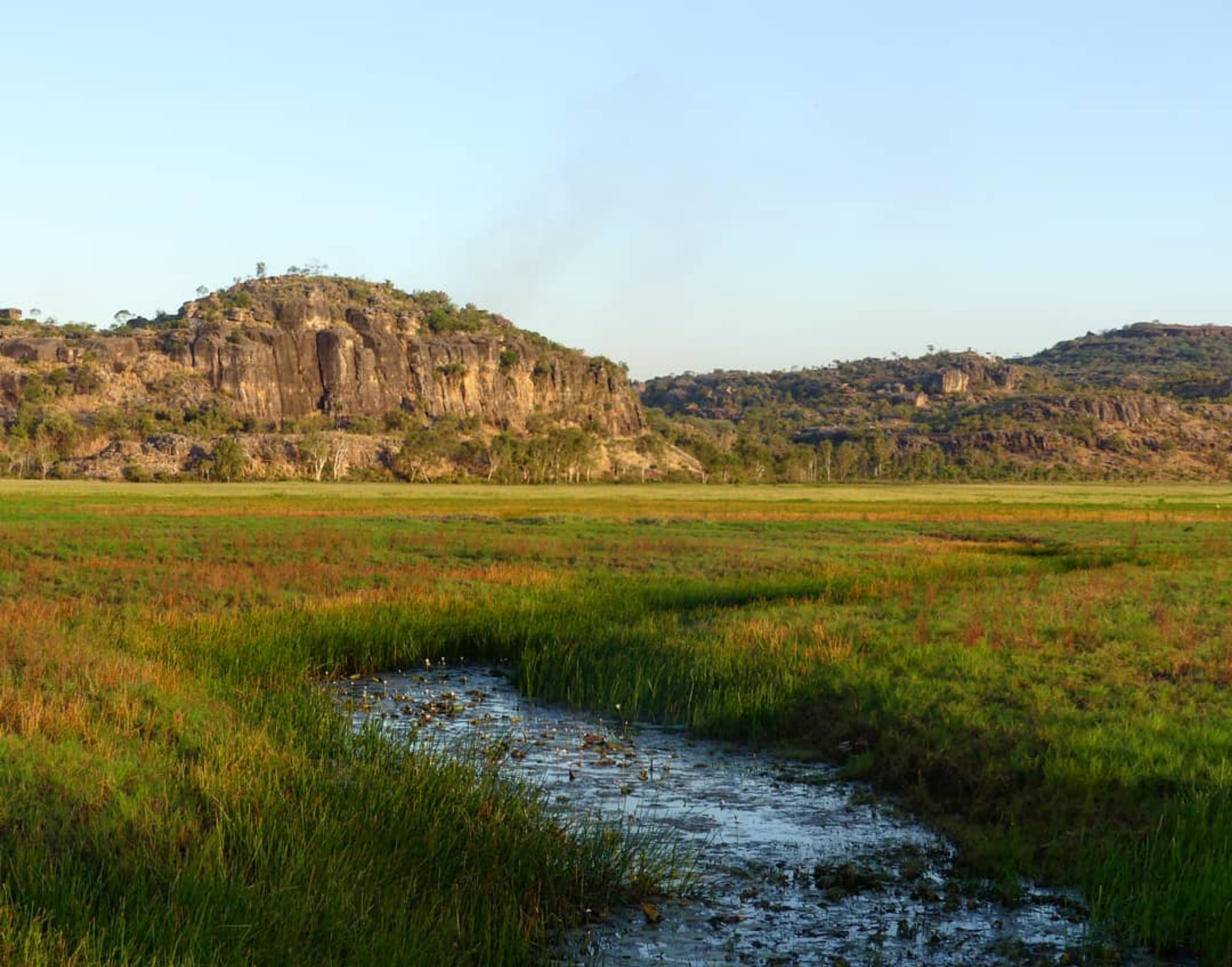
Whether you’re traveling solo or joining a Kakadu Tour that includes stops at Maguk Falls, Yellow Water Billabong, or the stunning natural infinity pool at Gunlom, language deepens the journey.
Even a short Kakadu day tour from Darwin shows how Aboriginal people use language to describe land escarpment, grasslands, monsoon forest, and Aboriginal rock art in the region. These aren’t just scenic views—they’re part of a living story.
Conclusion
So, what languages does Kakadu speak? The answer is in the voices of the land: Gun-djeihmi, Kunwinjku, Jawoyn, and the nearly lost Gagudju. The Aboriginal languages spoken by the traditional owners of this beautiful country hold centuries of wisdom, songlines, and identity.
From Darwin International Airport to the remote reaches of Jim Jim Falls and Alligator Rivers, every kilometre of Kakadu tells a story—if you’re listening.
Whether you’re planning multi-day Kakadu Tours or short Darwin day tours, understanding the cultural and linguistic landscape will turn your visit from sightseeing into meaningful connection.
FAQ
Is English widely spoken in Kakadu National Park?
Yes. English is the main language for visitors, signage and official guides. Many locals also speak Aboriginal languages, especially within Indigenous communities.
What’s the connection between language and Aboriginal culture in Kakadu?
Language holds cultural values, old stories, sacred sites and traditional ecological knowledge. It connects Aboriginal people to Aboriginal land and history.
What’s the status of the Gagudju language today?
Gagudju is mostly unspoken today but still important symbolically. Efforts are being made to document and preserve it as part of Kakadu’s cultural significance.
Can tourists hear Aboriginal languages during their visit?
Yes! Join cultural tours, visit cultural centres like the Warradjan Cultural Centre or attend interpretive sessions with traditional owners to hear them speak.
Why is language important in Kakadu tourism?
Language brings ancient rock art, grasslands, monsoon forest, and natural infinity pool to life. It gives depth to your trip and supports Indigenous led tourism and community pride.